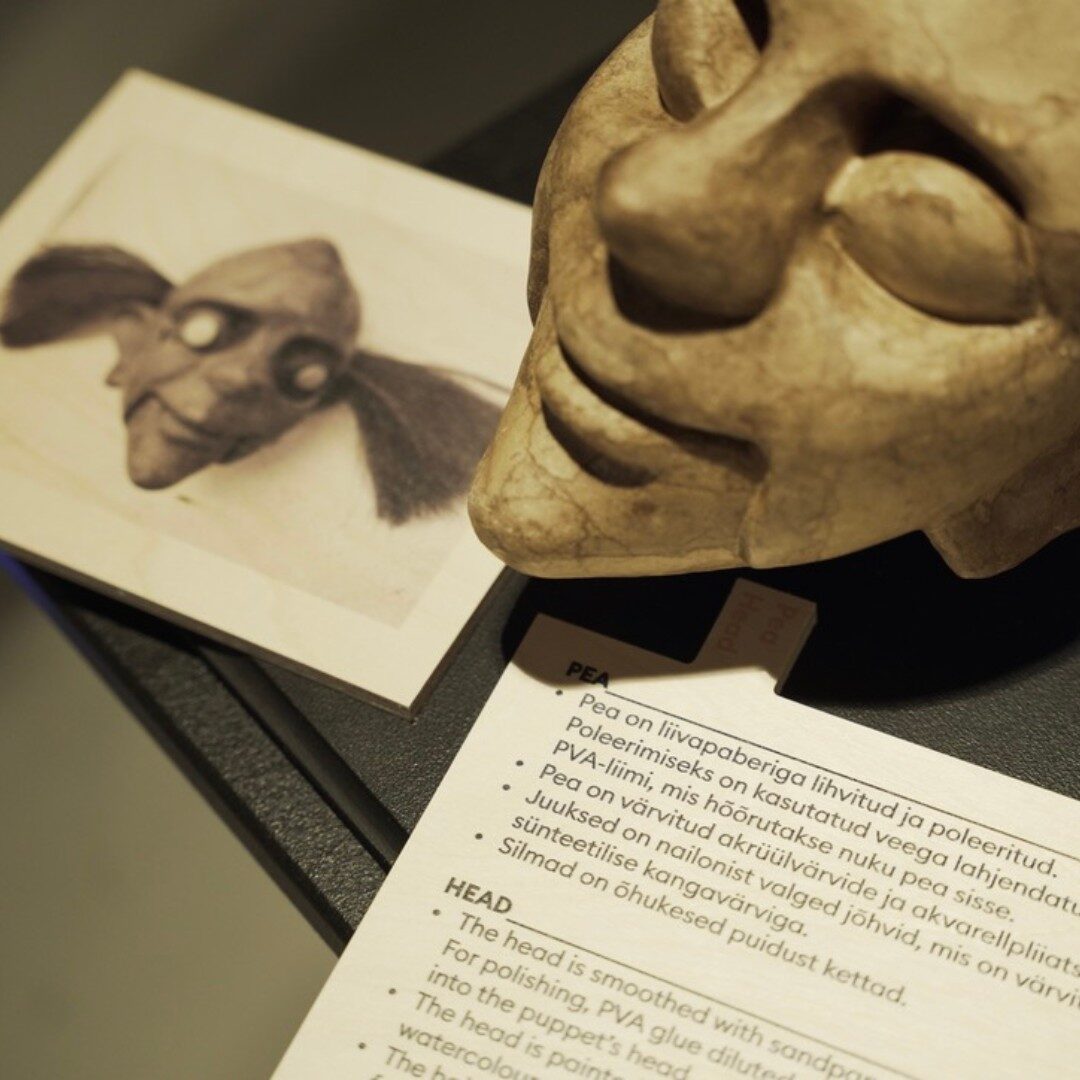

Have you ever wondered what materials a puppet is made of? Things on the theatre stage can be a little unusual compared to our everyday world. With a little imagination, we can create something lifelike from entirely different, often even surprising materials.
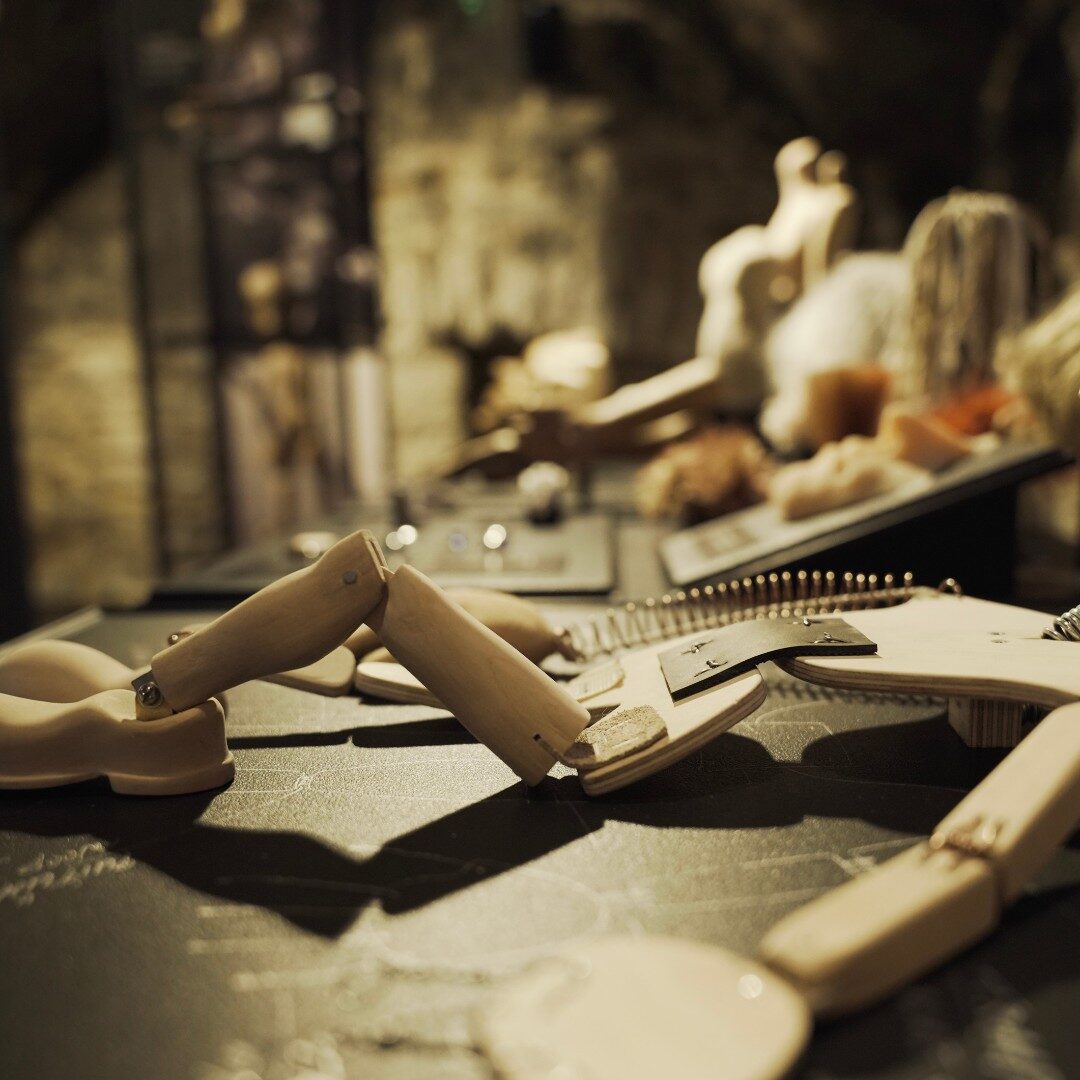
Puppets can be made of anything. There are materials on the puppet maker’s work desk that have stayed the same for decades, but also many new and modern ones.
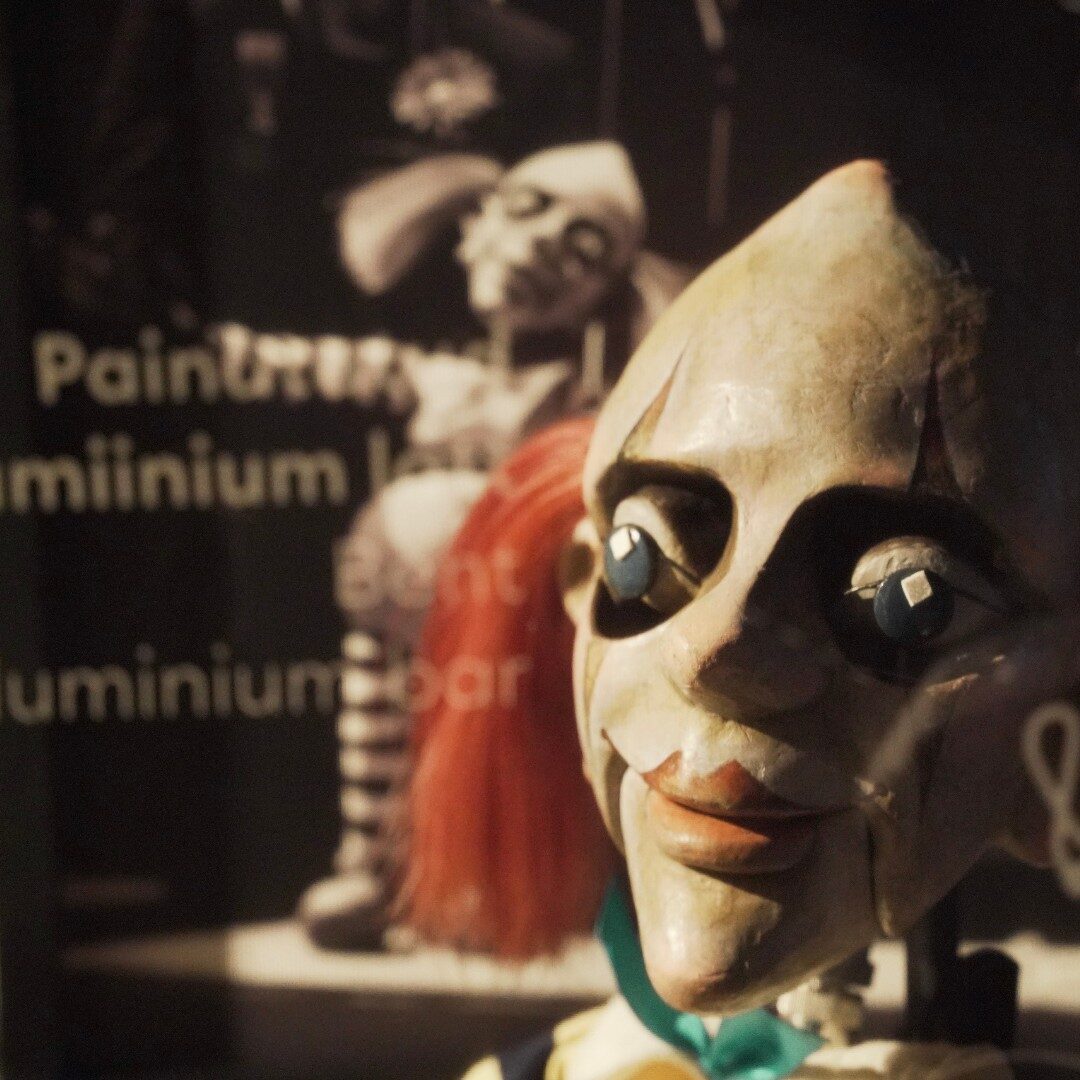
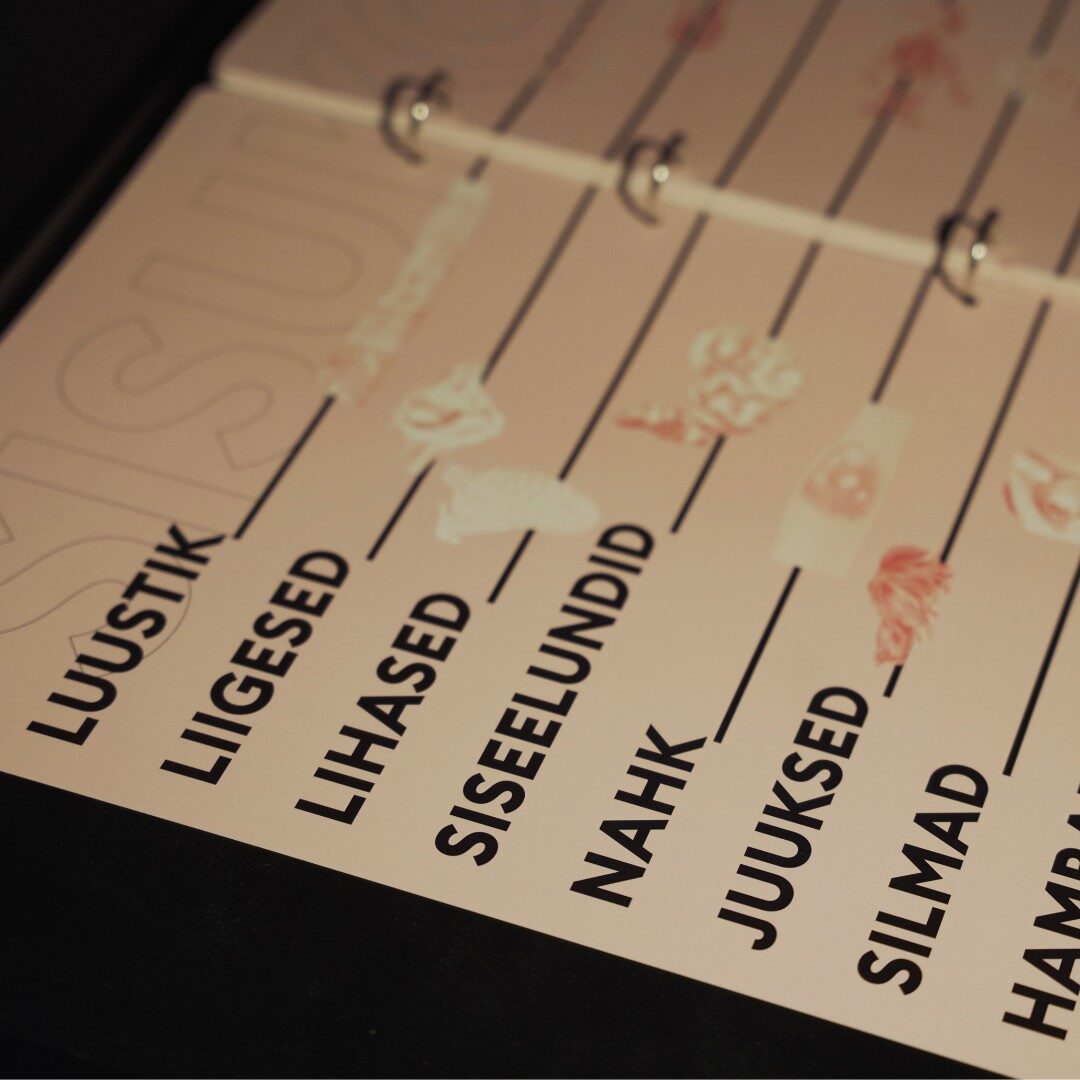
You can examine how it is possible to give puppets a skeleton, muscles, internal organs, skin, hair, eyes and even teeth.
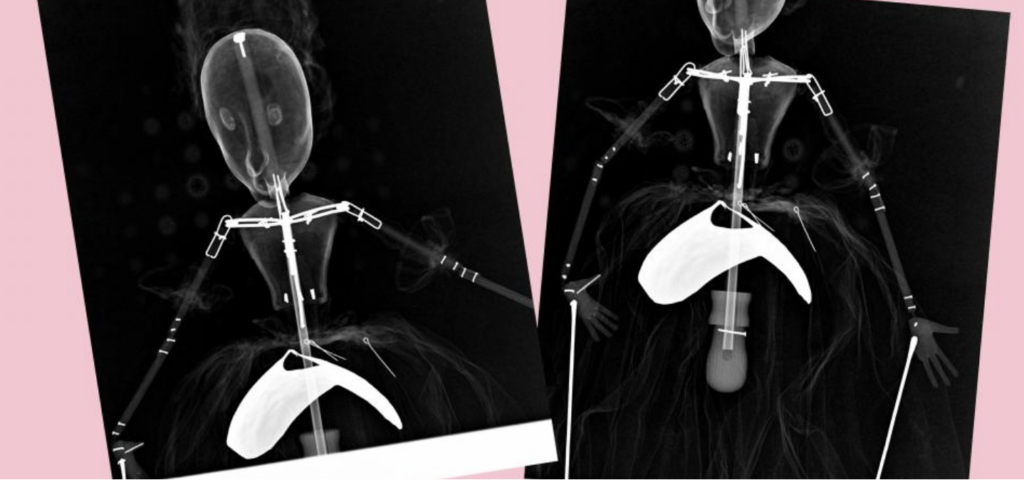
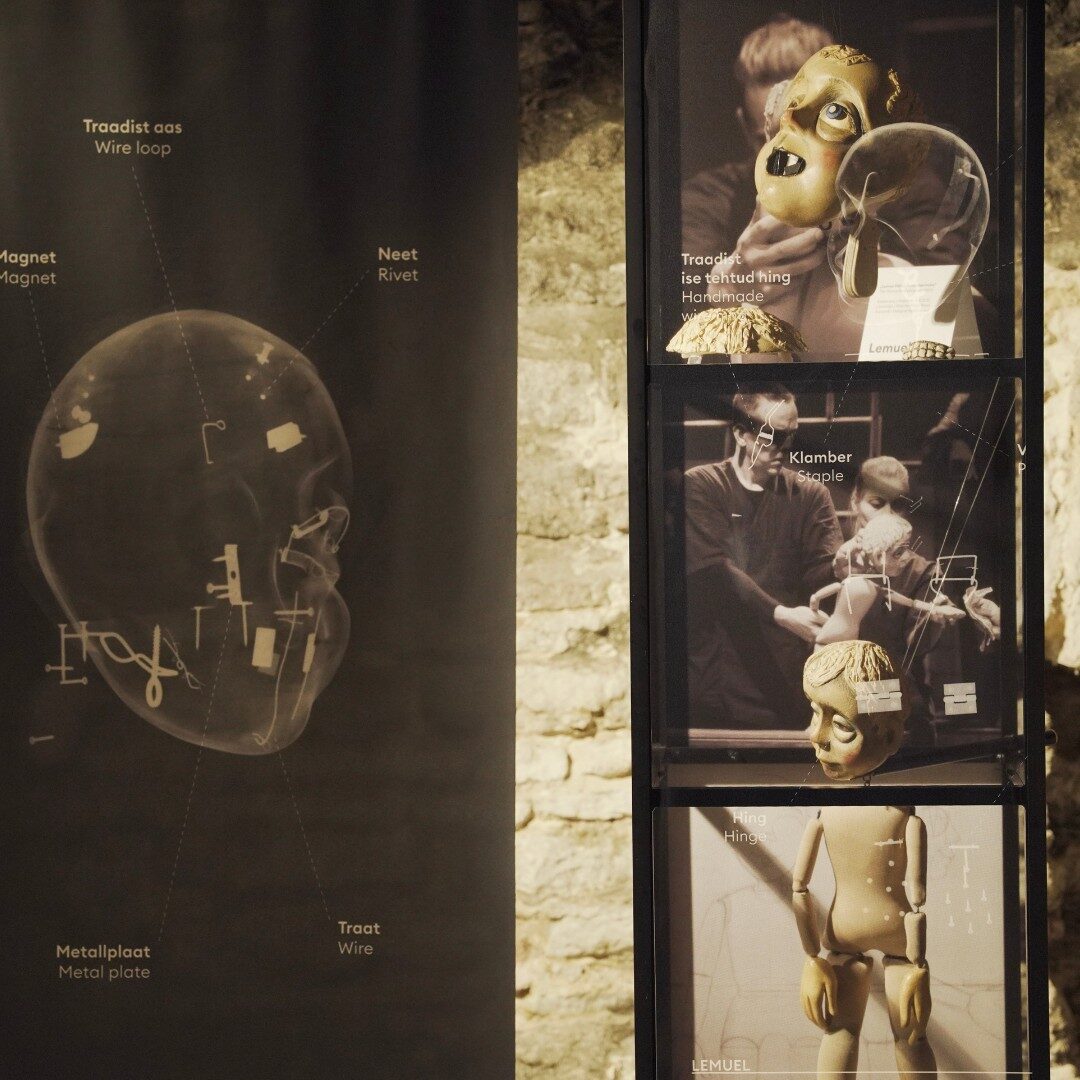
Puppets have had an X-ray, which makes it possible to see through the puppet’s outer layer and bring out not only various materials, but also the joints of body parts and complex mechanics. When comparing the X-ray of a healthy person to that of a puppet, the latter appears to be rather “sick” in the image. The X-rays of some puppets resemble a lung image of someone suffering from pneumonia, and some puppets even seem to have had several serious surgeries.
The materials chosen for a puppet depend largely on the designer’s wishes, and of course on which activities and movements are important in terms of the story and the production as a whole. Oftentimes, the material dictates which movements the puppet is even capable of doing. For example, if the puppet needs to fly gracefully in the air, it must be made of as light and elastic materials as possible.
This exhibition opens up the behind-the-scenes of making puppets and explores the numerous possibilities of various materials.