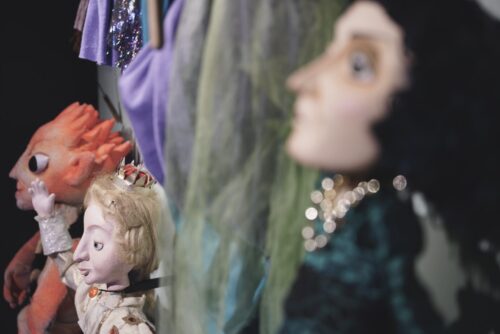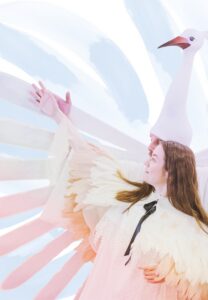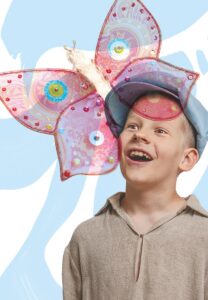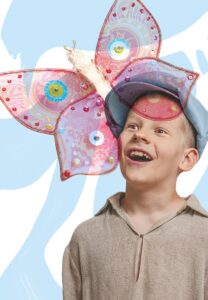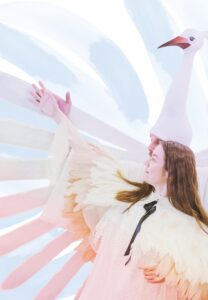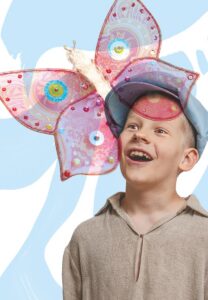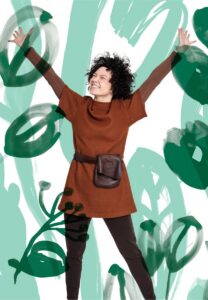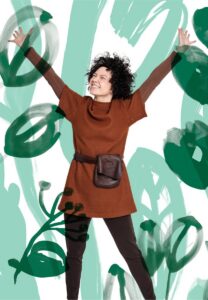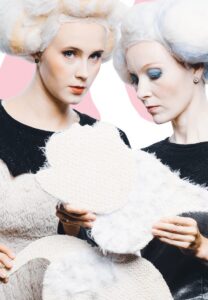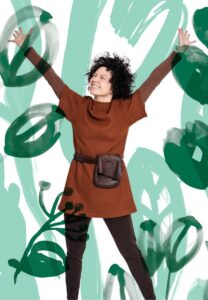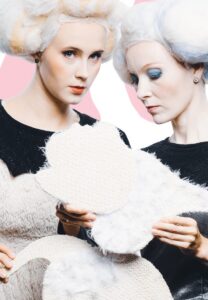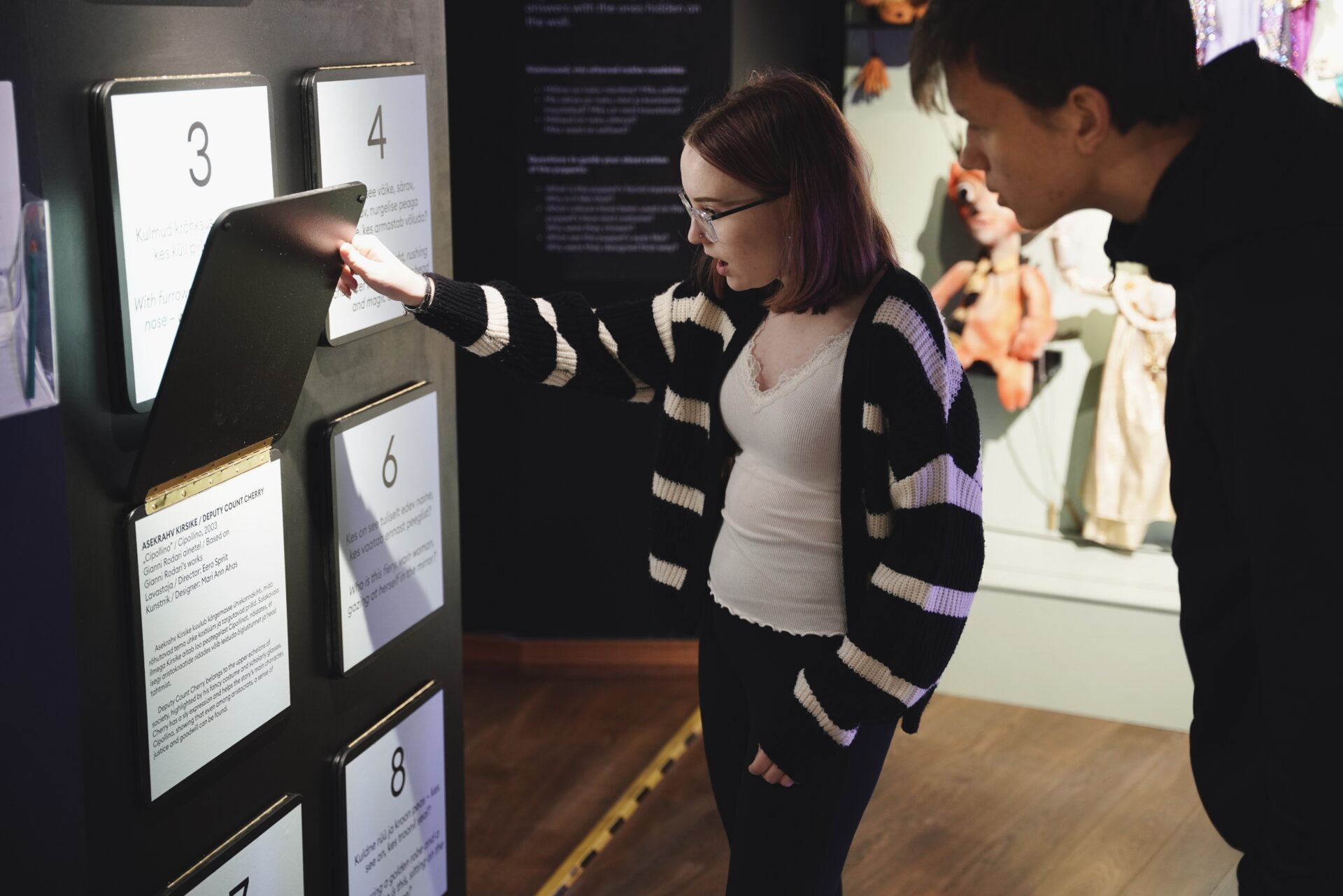

In theatre, a character’s appearance is one of the first clues that help the audience understand who has stepped onto the stage, what they are feeling, and what their role is. The look is born in the designer’s mind in collaboration with the director and then takes shape as costume and makeup. Inspiration can come from the play itself, the historical period, as well as the relationships between characters.
An elaborate and well-groomed appearance can suggest confidence, while messy hair and worn clothing may indicate fatigue or poverty. Clothes and accessories often point to a character’s social background, but they can also hint at the era and cultural context. Similarly, colours and posture give important clues: muted tones and sluggish movements signal sadness, while bright colours, open posture, and lively movement indicate energy, joy, or self-assurance. Thus, body language along with movement and its rhythm provide significant clues as well.
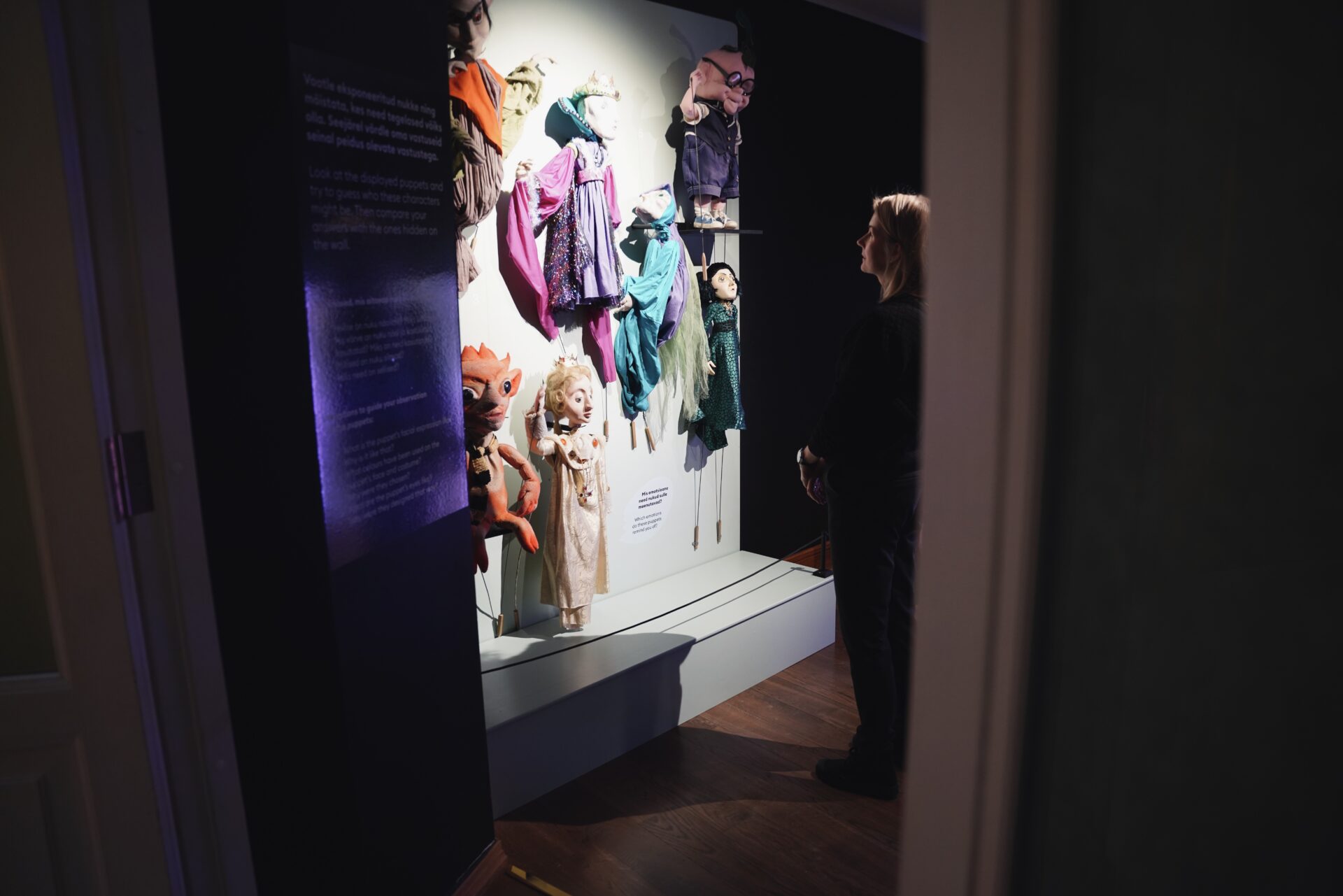
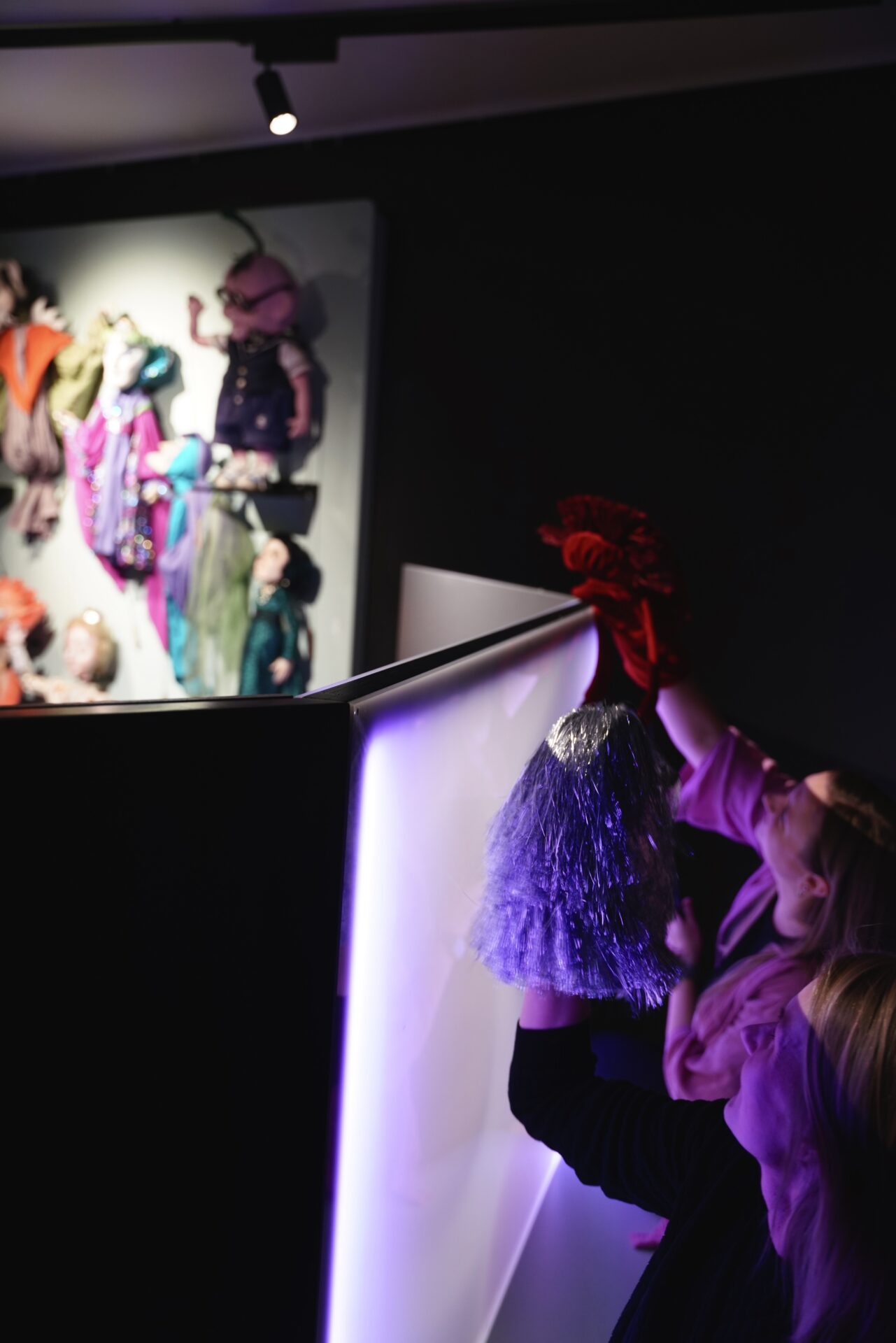
The exhibition invites visitors to think along how a character’s essence, feelings, and origin can be guessed through their appearance.
Curators: Gerli Mägi, Iti Niinemets
Graphic designer: Helmi-Elfriede Arrak
Language editor: Lisanna Lajal
Translator: Liisa Luhakivi
Puppetry artists: Annika Aedma, Margus Tamme, Evelin Vassar
Set designers: Kàri Arason, Andres Josing, Madli Liiva, Mihkel Niinemets, Krista Norden
Creators of the museum lesson: Laura Linna, Liisa Luhakivi, Karmen-Eliise Märtens