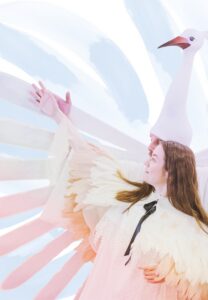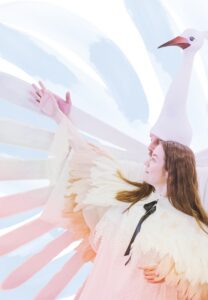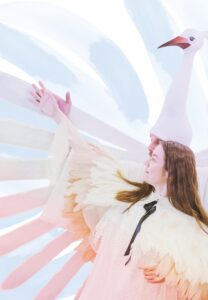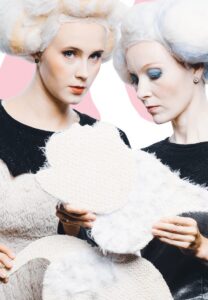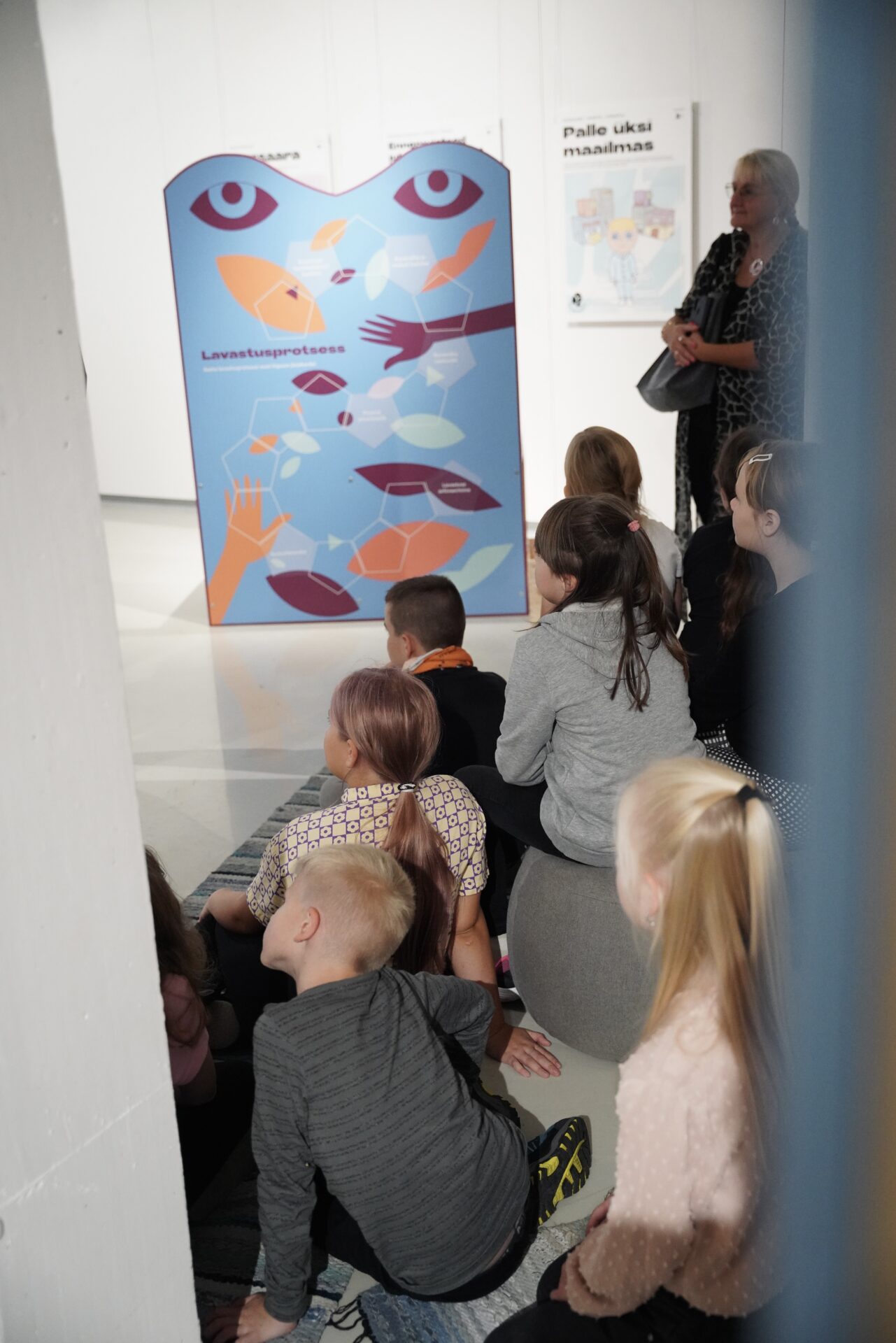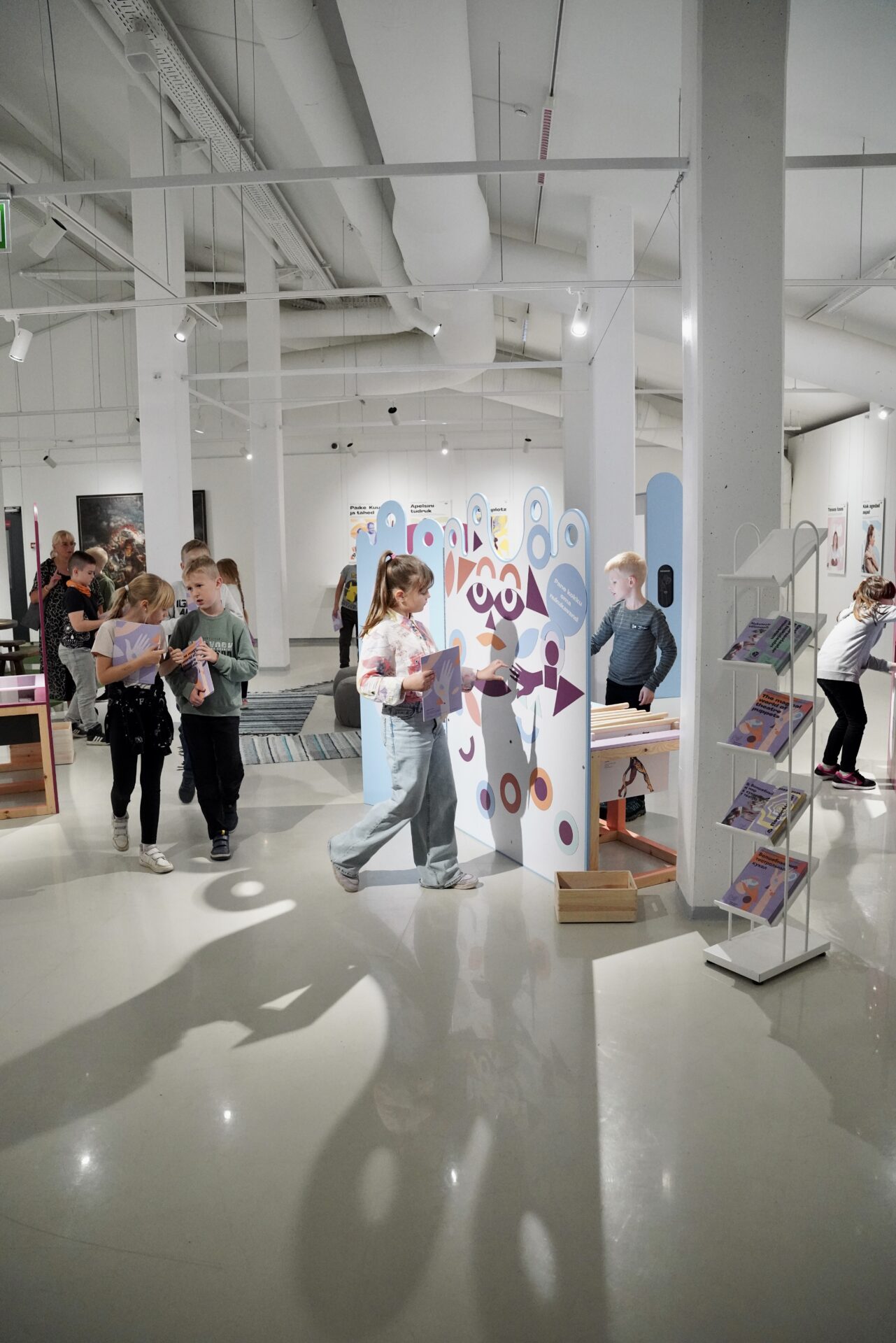

Located in the Old Town of Tallinn, the Museum of Puppetry Arts is home to over 800 puppets that have once performed on stage. With the travelling exhibition opened in March 2023, the Museum of Puppetry Arts reaches various places across Estonia for the first time. The travelling exhibition is a short form of the Museum of Puppetry Arts permanent exhibition and, similarly, offers an insight into the history of puppetry, a chance to play with puppets and to learn about the process of producing a play.
Puppetry, or the art of animating an inanimate object, is an ancient practice that has traditionally belonged to the world of adults. It is only in the last hundred years or so that puppet theatre has become to be regarded as children’s theatre. The possibilities that puppets have when performing on stage are usually different from those of human actors: a puppet can cross the limits set by the human body and do things that humans could not: fly, turn from animate to inanimate and vice versa, disappear in a second, etc.
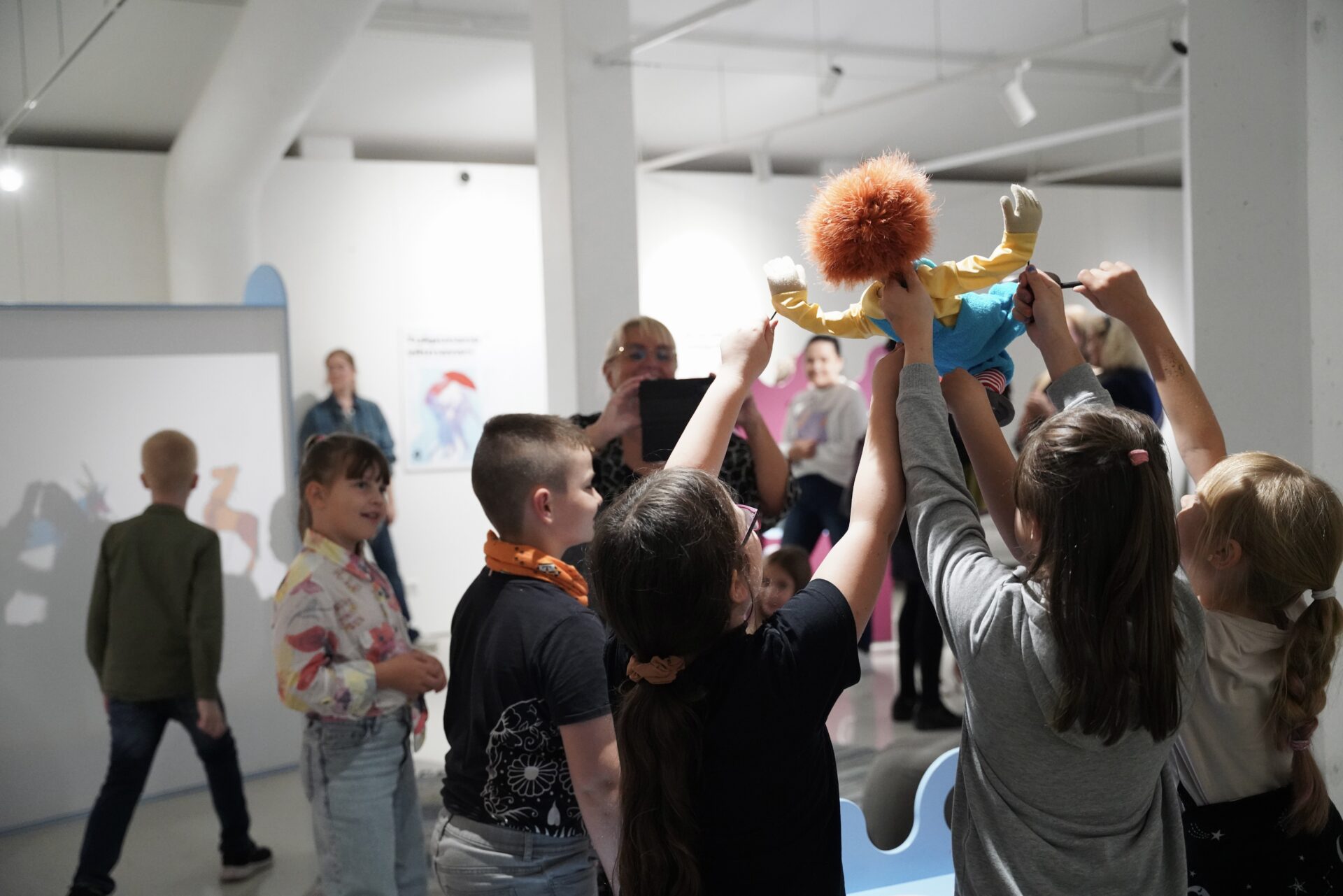
The life of a puppet begins with the puppet maker. Puppet makers create puppets by hand, based on the designer’s sketches. The puppet finally comes to life in the hands of the puppeteer. To illustrate this process, the exhibition displays design sketches through seven decades. Visitors can themselves try to design a puppet and examine tools and materials needed for creating a puppet. Each visitor can also try what it feels like to be a puppeteer and bring a puppet to life.
Similarly to the Museum of Puppetry Arts permanent exhibition, the travelling exhibition introduces most widespread puppet types – shadow puppets, tabletop puppets, glove puppets, rod puppets and marionettes, which are represented by examples from the Puppet Theatre’s (current Estonian Theatre for Young Audiences) past productions. They are mostly copies of valuable originals, made for the travelling exhibition by the theatre’s puppet makers. The puppets chosen for the exhibition are from seven different decades and the choice reflects the theatre’s past and present artistic directors and head designers.
The exhibition curator is Gerli Mägi and the project manager Iti Niinemets; the design and implementation is by Creative Agency PULT; editor Helena Läks; brochure design by Helmi-Elfriede Arrak; translations by Liisa Luhakivi and Rukkilille Translations Bureau; the copies of puppets were made by Andres Josing, Annika Aedma, Evelin Vassar, Mihkel Vooglaid, Urmas Soosalu and the graphic drawings of puppets by Laura Linna.